

Imagine a ship navigating the vast oceans without the need for a human crew, automatically finding its own route. This image may seem like a science-fiction story to many of us, but it is actually becoming a reality. Autonomous ships, known as MASS (Maritime Autonomous Surface Ships), are fundamentally transforming the shipping industry. These developments not only increase the speed of maritime transportation, but also have the potential to significantly improve the safety, productivity, and efficiency of the industry.
What Are Autonomous Ships?
Autonomous ships (MASS), as their name suggests, are vessels that carry out their tasks automatically without the need for a human crew. These ships leverage advanced technologies such as artificial intelligence, the Internet of Things (IoT) and automated navigation systems, enabling them to operate at sea and perform their tasks with high accuracy and speed.
However, this technology is not just about using a computer to control the ship. Autonomous ships can make various decisions during their journey. This includes identifying obstacles, selecting the best route, and even managing emergency situations.
History of Autonomous Ships
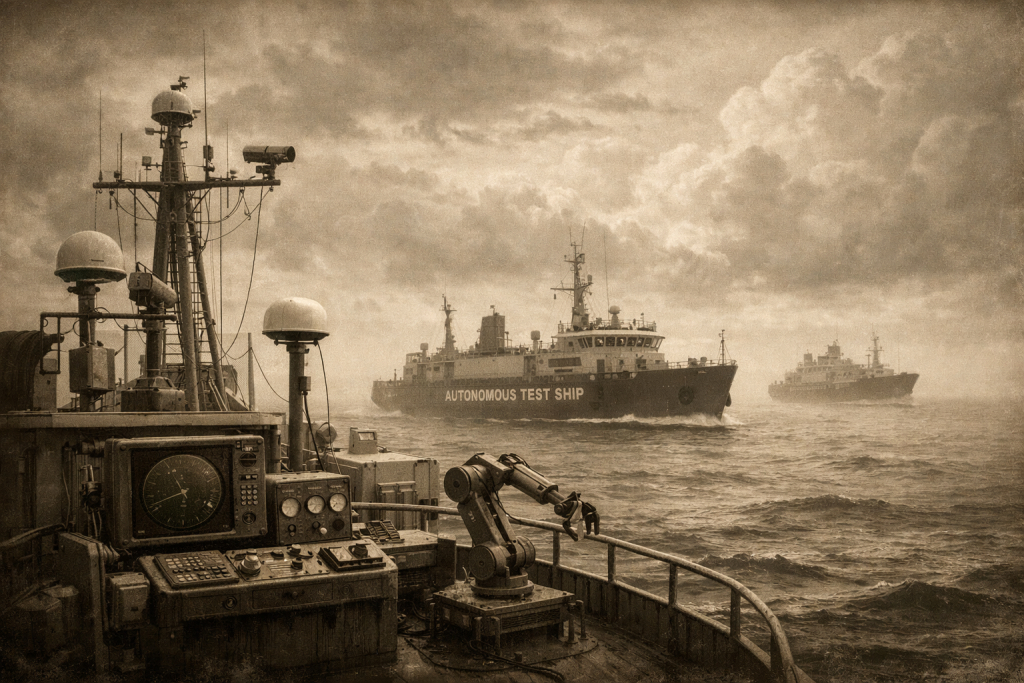
While autonomous ships may seem like a new technology, their roots go back several decades. The first experiments with autonomous ships began in the mid-2000s when various companies started using automated navigation systems and robots for ships. At this time, however, these ships were not fully autonomous and mostly used navigation assistance systems.
In recent years, many companies and research organizations—such as shipping companies and universities—have become more seriously involved in the development of autonomous ships. As a result, vessels such as “Victoria” and “Prinsopt” were launched as some of the first experimental autonomous ships. The Mayflower Autonomous Ship can also be considered one of the first experimental autonomous vessels to successfully cross the Atlantic Ocean.
Advantages of Autonomous Ships
1. Reducing Human Costs
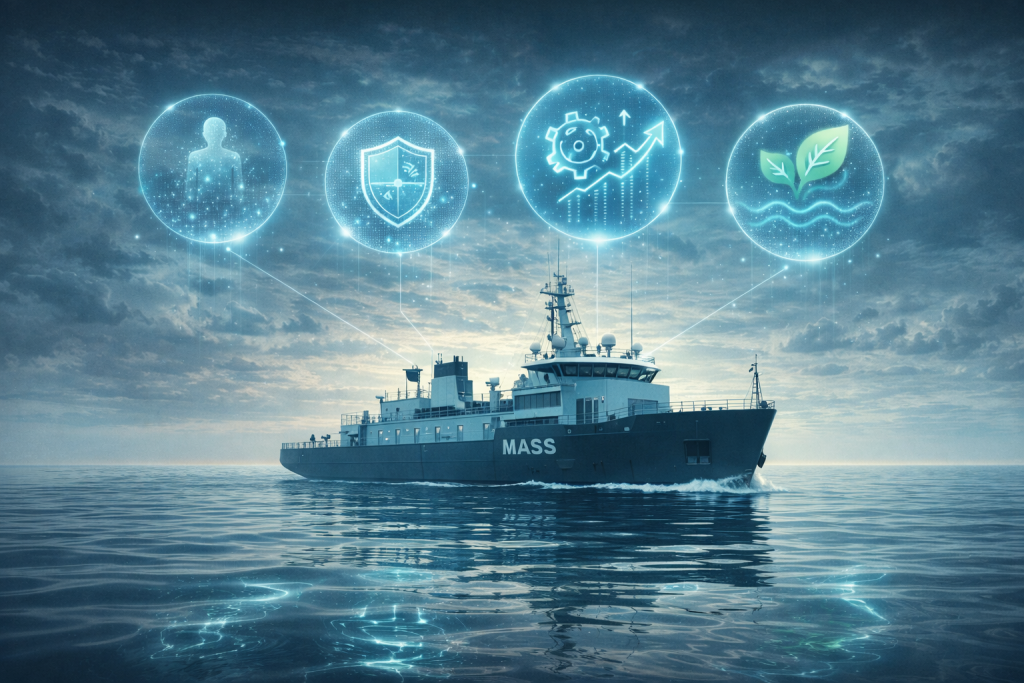
One of the biggest advantages of autonomous ships is their ability to minimize the need for human crew. By using automated systems, costs such as salaries and benefits for crew members are reduced. This is a significant advantage for shipping companies facing economic crises and high costs.
2. Increased Safety
Autonomous ships, using advanced systems to simulate human behavior and prevent human errors, can be safer than conventional ships. They can react quickly to different sea conditions and avoid potential collisions. In fact, because these ships automatically analyze all variables, the likelihood of human errors leading to serious accidents is greatly reduced.
3. Higher Efficiency
Autonomous ships can use artificial intelligence algorithms to select routes that take less time to reach their destination. This means reduced travel time and higher efficiency. Additionally, these ships can continue moving without interruption as they do not require rest or crew changes.
4- Reducing Negative Environmental Impacts
Autonomous ships can optimize fuel consumption, leading to lower emissions compared to conventional ships. This feature helps improve the environmental situation at sea. By using advanced technologies, autonomous ships can use renewable fuels and reduce greenhouse gas emissions.
Challenges Facing Autonomous Ships
Although there are numerous benefits to autonomous ships, there are still challenges that need to be addressed:
1. Regulatory Framework
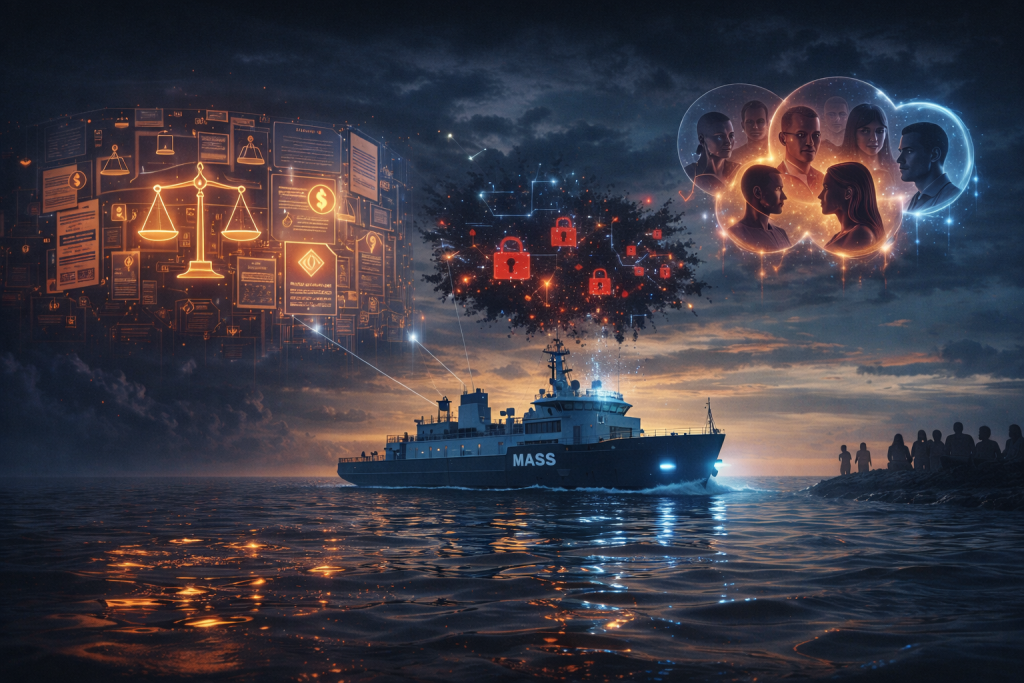
One of the biggest challenges in implementing autonomous ships is the development of regulations and laws governing their use. Due to the innovative nature of this technology, many countries still do not have laws in place for autonomous ships, which hampers the faster growth of the industry. Some countries, like Norway, have taken steps to pass laws for autonomous ships, but there are still no precise global standards for this technology.
2. Cybersecurity
Autonomous ships rely on digital systems for navigation and control, raising security concerns. Any cyberattack on these systems could have catastrophic consequences for the maritime industry. Hackers could easily take control of the ships and create threats to the safety of the vessels and their cargo.
3. Public Acceptance
The acceptance of autonomous ships by society and the industry may be challenging. Many people may not trust this technology and still prefer traditional ships with human crews. This could slow the initial spread of autonomous ships.
The Future of Autonomous Ships
Despite the challenges, the future of autonomous ships looks bright. Research and development in this field are progressing, and large shipping companies are investing in this technology. It is predicted that in the coming decades, autonomous ships will be widely used in the maritime industry.
This transformation could lead to significant changes in the way goods and services are transported around the world. Moreover, this technology could improve environmental conditions, reduce costs, and create new job opportunities.
Impact of Autonomous Ships on the Future of Maritime Transport
Autonomous ships could bring about a major revolution in maritime transport. These changes will not only speed up transportation but also significantly reduce the industry's costs. As one of the key factors in improving the shipping industry, autonomous ships may completely replace traditional ships in the near future.
Conclusion
Autonomous ships represent a major revolution in the maritime industry. These vessels not only improve productivity and safety but could potentially reduce environmental problems. While challenges such as regulatory issues and cybersecurity remain, the continuous advancement of technology will undoubtedly have a significant impact on the future of this industry.
FAQs
Autonomous ships are vessels that automatically perform their tasks without the need for human crew. These ships use artificial intelligence and automated navigation systems for guiding and managing sea journeys.
Autonomous ships offer numerous benefits, including reducing human costs, increasing safety, higher efficiency, and reducing negative environmental impacts.
The main challenges include regulatory issues, cybersecurity concerns, and public acceptance of this technology.
These ships use advanced systems to simulate human behavior and prevent human errors, significantly enhancing safety.
Yes, autonomous ships can optimize fuel consumption and produce fewer emissions than traditional ships, helping to reduce negative environmental impacts.

 Persian
  English
No Comments