
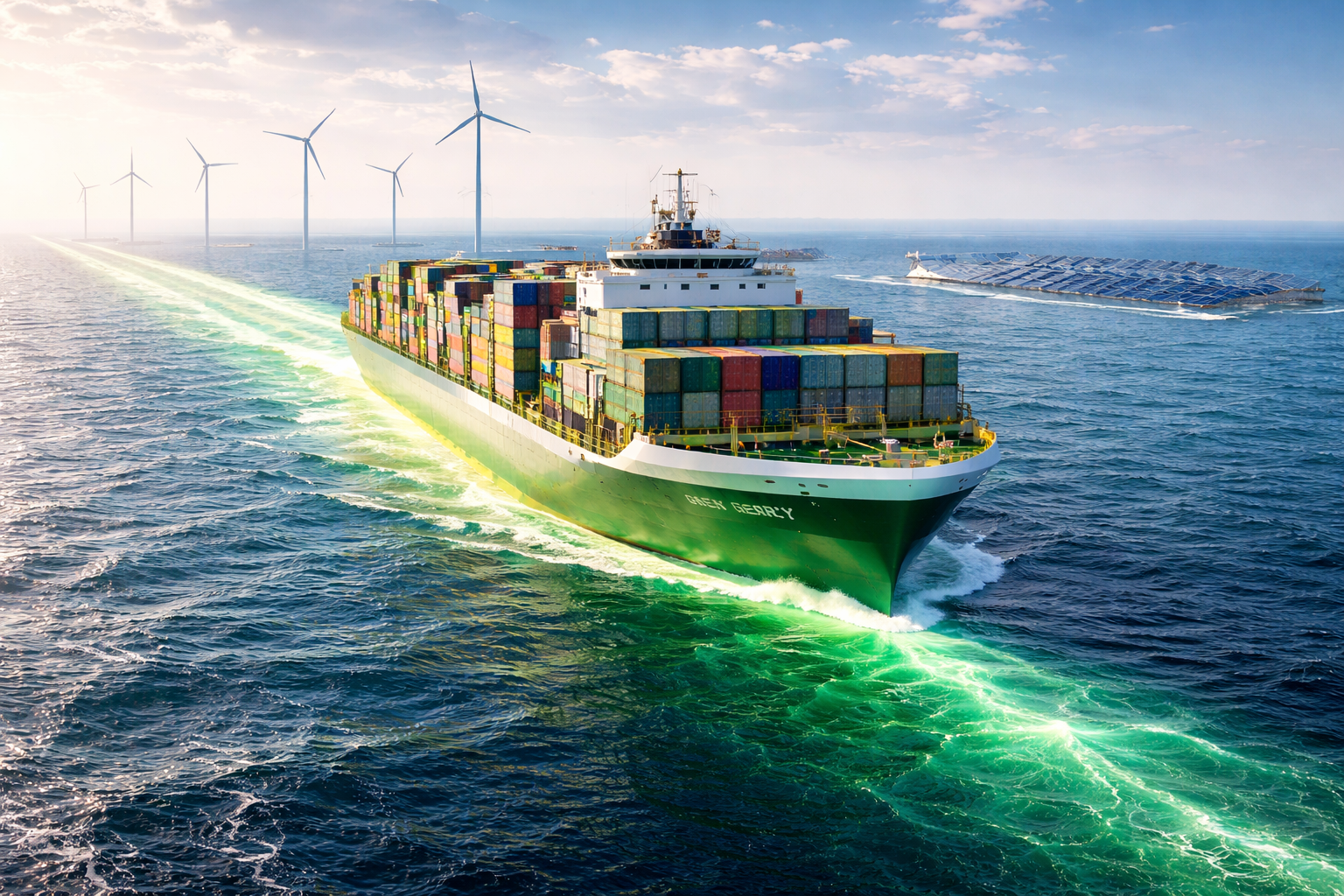
The maritime shipping industry, as the backbone of global trade, handles over 90% of international goods movement. Despite this vital role, it is a major source of greenhouse gas emissions, air pollution, and environmental damage. In recent years, the concept of Green Shipping has emerged as a strategic solution to reduce harmful environmental impacts and move towards sustainable development. At the heart of this transformation lies the adoption of clean and low-carbon fuels; fuels that can fundamentally reshape the future of the maritime transport industry.
Increasing regulatory pressure, international commitments to reduce carbon emissions, and shifting market expectations have compelled shipping companies to seek innovative and sustainable solutions. Clean fuels are not only a response to environmental challenges but can also bring competitive advantages, long-term cost reductions, and improved brand image.
The transformation from traditional shipping towards Green Shipping is not possible without a precise understanding of the types of clean fuels, related technologies, and their economic implications. This is a complex yet inevitable path that will shape the future of maritime transport.
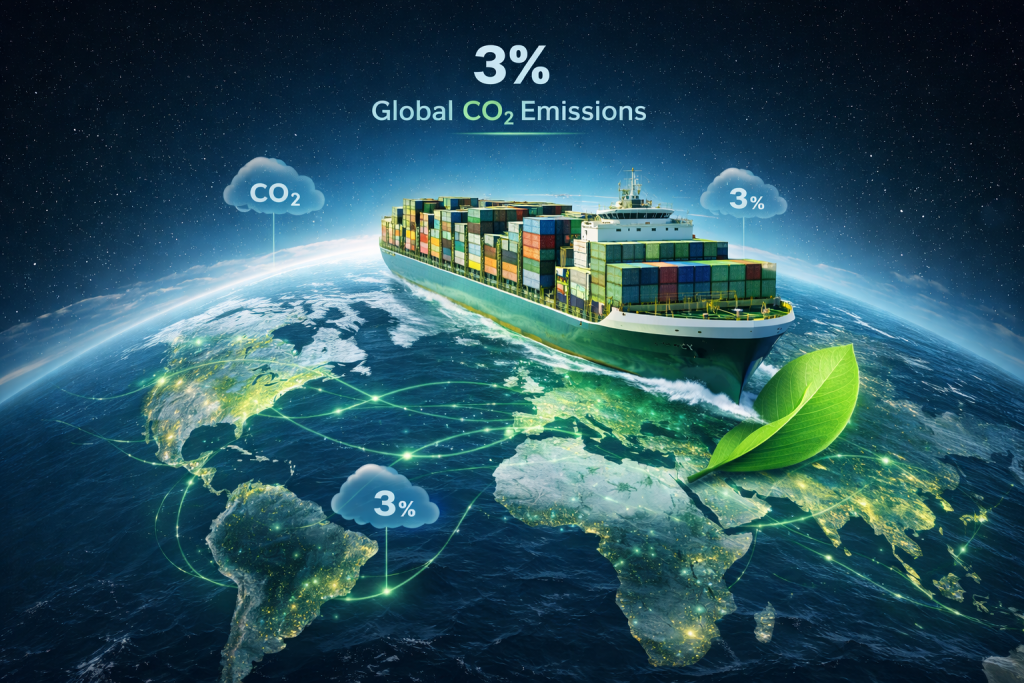
Green Shipping: Concept and Its Necessity in Today’s World
Green Shipping refers to a set of policies, technologies, and strategies aimed at reducing the negative environmental impacts of maritime activities. This concept is not limited to the type of fuel used, but also includes the optimal design of ships, energy efficiency improvements, smart route management, and the use of digital technologies.
The International Maritime Organization (IMO) has set specific targets to reduce greenhouse gases. According to these goals, the shipping industry must achieve a significant reduction in CO₂ emissions in the coming years. Achieving these targets without replacing heavy fossil fuels with cleaner alternatives is virtually impossible.
On the other hand, pollution caused by traditional fuels such as heavy fuel oil has a direct impact on human health, marine ecosystems, and air quality in ports. Green Shipping is a comprehensive response to these concerns and is recognized as part of the corporate social responsibility of shipping companies.
Clean Fuels: The Driving Engine of Green Shipping
Clean fuels refer to fuels that, compared to traditional fossil fuels, produce fewer pollutants and greenhouse gases. Choosing the right fuel is one of the most important strategic decisions on the path to Green Shipping.
Liquefied Natural Gas (LNG)
LNG is one of the most common current options on the path to green shipping. Compared to heavy fuel oil, this fuel significantly reduces emissions of carbon dioxide, sulfur oxides, and particulate matter.
The advantages of LNG include the following:
- Significant reduction in air pollutants
- Relatively mature and available technology
- Compliance with strict environmental regulations
However, LNG is still considered a fossil fuel, and methane leakage can have negative environmental impacts.

Methanol and Alcohol Fuels
Methanol is recognized as one of the emerging options in Green Shipping. This fuel can be produced from renewable sources and is suitable for use in modified marine engines.
The key features of methanol are as follows:
- Significant reduction in CO₂ emissions when produced sustainably
- Easier storage compared to LNG
- Higher safety compared to some alternative fuels
Green Ammonia
Green Ammonia is one of the most promising options for the future of carbon-free shipping. When produced using renewable energy, this fuel will have zero CO₂ emissions. Despite its environmental benefits, challenges such as high toxicity, the need for new infrastructure, and the development of compatible engines have limited the widespread use of ammonia in the short term.
Hydrogen
Hydrogen has attracted significant attention as a fuel with zero carbon potential. The use of hydrogen fuel cells could revolutionize Green Shipping.
The main challenges of hydrogen include:
- High cost of producing green hydrogen
- Difficulty in storage and transportation
- Need for advanced technologies and new infrastructure
The role of technology and innovation in accelerating transformation
Achieving Green Shipping is not possible solely through a change in fuel type. Modern technologies play a complementary and vital role in enhancing efficiency and reducing energy consumption. Aerodynamic ship hull design, the use of anti-friction coatings, energy recovery systems, and even harnessing wind and solar energy are all part of this transformation.
Digitalization also helps reduce emissions by optimizing routes, reducing port stopover times, and intelligently managing fuel consumption. The combination of clean fuels with digital technologies maximizes the effectiveness of Green Shipping.
Economic and commercial consequences of using clean fuels
One of the main concerns of shipping companies is the high initial costs of transitioning to clean fuels. Changing or upgrading the fleet, investing in infrastructure, and training personnel will incur significant costs. However, in the long run, substantial economic benefits will be generated.
Reducing environmental fines, gaining access to green markets, attracting responsible investors, and increasing customer trust are among the economic benefits of Green Shipping. Additionally, as global regulations become stricter, companies that adopt this path early will gain a sustainable competitive advantage.

The future of the maritime transport industry on the path to sustainability
The future of maritime transport is directly tied to sustainability and innovation. It is expected that in the coming decades, a combination of clean fuels, advanced technologies, and supportive policies will steer the shipping industry towards complete decarbonization.
Collaboration among governments, international organizations, shipping companies, and energy producers will play a decisive role in the success of Green Shipping. This transformation is not only an environmental necessity but also an opportunity to reinvent the maritime transport industry.
Ultimately, Green Shipping is a path from which there is no return. Companies that invest in clean fuels and green technologies today will be the global market leaders tomorrow. Now is the best time to act, plan, and move towards a cleaner and more sustainable future.
FAQs
Green Shipping refers to a set of solutions aimed at reducing the environmental impacts of maritime transport, especially through clean fuels and innovative technologies.
Green ammonia and hydrogen have the greatest long-term potential, but LNG and methanol are currently more practical.
In the short term, costs may increase, but in the long term, costs will balance out with reduced fines and increased efficiency.
The IMO guides the shipping industry’s path towards sustainability by setting regulations and carbon reduction targets.
By investing in clean fuels, upgrading the fleet, using digital technologies, and collaborating with energy chain stakeholders.



 Persian
 English
No Comments