
What is a Bill of Lading? A complete introduction to the concept of a bill of lading in international trade.
Bill of Lading یا «بارنامه» یکی از مهمترین اسناد در حملونقل بینالمللی کالا است که نقش حیاتی در فرآیند صادرات و واردات دارد. بسیاری از اختلافات تجاری، مشکلات گمرکی و چالشهای حملونقل به دلیل عدم آگاهی کافی از مفهوم Bill of Lading، انواع آن و کارکردهای قانونیاش به وجود میآید. در ۱۰۰ کلمه نخست لازم است تأکید کنیم که Bill of Lading بهعنوان سند مالکیت کالا، رسید تحویل بار و قرارداد حمل شناخته میشود و وجود آن برای انجام عملیات حمل دریایی الزامی است. این سند، پلی ارتباطی میان فروشنده، خریدار، شرکت حمل و بانکها است و رعایت درست جزئیات آن میتواند از بروز خسارتهای حقوقی و مالی جلوگیری کند.
The concept of a Bill of Lading may seem complicated for newcomers; however, just as an airline ticket shows that you are the lawful passenger of a specific flight, a Bill of Lading is considered the official document of ownership and carriage of a shipment. In the following, we will examine all its aspects with a precise, professional, and easy-to-understand approach.
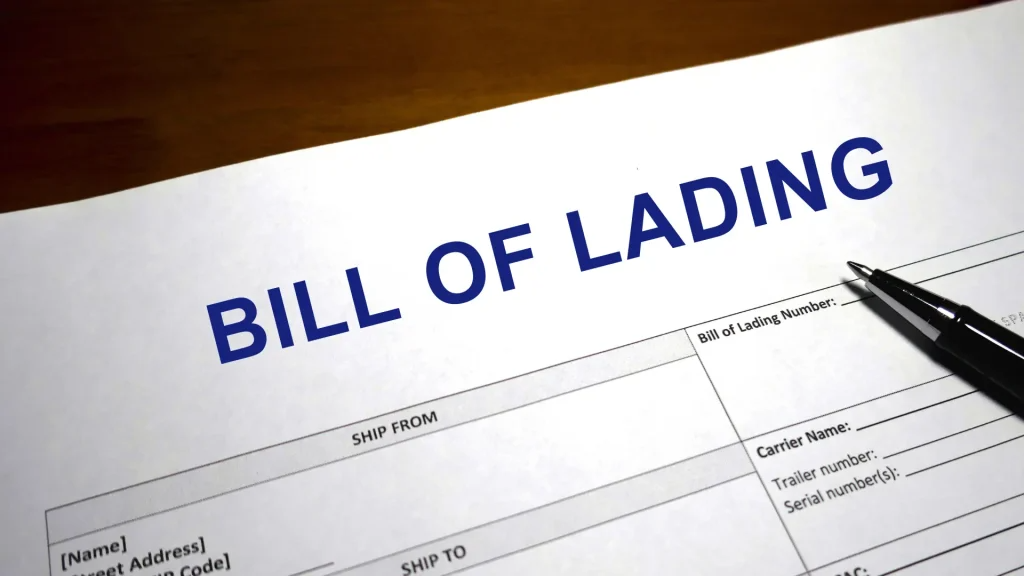
What exactly is a Bill of Lading?
Bill of Lading (B/L) سندی رسمی است که توسط شرکت حملونقل — معمولاً شرکت کشتیرانی — صادر میشود و نشان میدهد کالا تحویل گرفته شده و تحت شرایط مشخص به مقصد حمل خواهد شد. این سند سه نقش اساسی دارد:
1. **Document of Title:** The Bill of Lading indicates who is the legal owner of the shipment. Delivering the original Bill of Lading signifies the transfer of ownership rights of the goods.
2. **Receipt of Goods:** The carrier confirms that it has received the goods in accordance with the specifications provided by the exporter.
3. **Contract of Carriage:** The Bill of Lading outlines the terms of transportation, the responsibilities of the parties, the route of movement, and all related obligations.
Simply put, a B/L is a multifunctional document without which the release or delivery of goods at the destination is not possible.
Why is the Bill of Lading so important?
In international trade, goods are moved across long routes and pass through several entities (shipping lines, customs, banks, freight forwarders, etc.) before reaching the buyer. The Bill of Lading is the document that:
- defines the ownership of the goods
- prevents fraud and false claims
- is required by banks for financial settlement under an LC or a remittance
- provides the basis for legal claims in cases of damage or delay
In fact, the Bill of Lading acts like an identification document for the goods; without it, the cargo is considered “identity-less” from a legal standpoint.
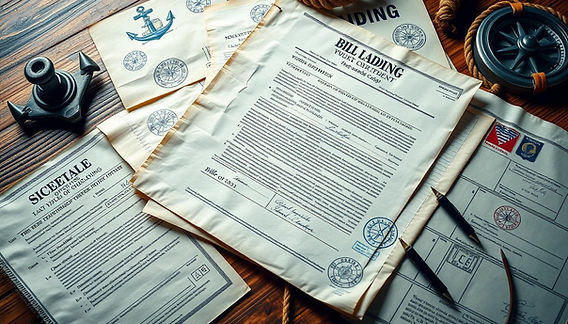
Main Components of a Bill of Lading
Every valid Bill of Lading must contain a set of accurate and formal information, and any errors in these details can lead to cargo delays, fines, or even rejection of documents by the bank. Its most important sections include the following:
- Name and details of the shipper (exporter)
- Name and information of the consignee (importer)
- Name of the person or company authorized to receive the goods
- Type of Bill of Lading (Negotiable or Non-negotiable)
- Container number and type of packaging
- Weight, quantity, and volume of the goods
- Name of the vessel, voyage number, and transport route
- Loading date (On Board Date)
- Terms and conditions of carriage
If any of this information is incorrect, customs may stop the cargo, or the carrier may refuse to accept liability for damages.
Types of Bill of Lading
Bills of Lading are classified into several key categories based on their purpose, mode of transport, and method of transferring ownership. Understanding these types is essential for exporters and importers.
1. **Negotiable Bill of Lading:** In this type, ownership of the goods can be transferred through endorsement of the Bill of Lading. It is commonly used in formal trade and under Letters of Credit (LC).
2. **Straight Bill of Lading (Non-negotiable):** This type of Bill of Lading is delivered only to the consignee specified in the document and cannot be transferred to another party.
3. **Ocean Bill of Lading:** Issued for maritime transportation and is the most common type of Bill of Lading in international trade.
4. **Air Waybill (AWB):** Although technically similar to an ocean B/L in function, an AWB is **not** considered a document of title and is **non-transferable**.
5. **Through Bill of Lading & Multimodal Bill of Lading:** These types are used when the goods are transported through multiple modes of transport (for example, a combination of sea and land transportation).
6. **Clean Bill of Lading and Unclean Bill of Lading**
- **Clean B/L:** The goods have been received by the carrier without any defects.
- **Unclean B/L:** Any damage or defects present at the time of loading are recorded, and such documents are usually not accepted by banks.
Advantages of Using a Bill of Lading
Using a standardized Bill of Lading reduces commercial risk, increases transparency, and facilitates legal procedures. Some advantages include:
- Secure transfer of ownership
- Prevention of legal disputes
- Acceptance of documents by banks
- Enabling shipment tracking
- Providing transparency in costs and transport conditions
For example, in the transportation of high-value shipments such as industrial equipment or raw materials, the Bill of Lading ensures that the goods are delivered only to the legal owner.
Difference Between Bill of Lading, Packing List, and Invoice
One common mistake among beginners is confusing these three documents with one another.
**Invoice (Sales Invoice):** Shows the financial details related to the sale of the goods.
**Packing List:** Specifies the type, quantity, and exact weight of the packages.
**Bill of Lading:** It is the document of ownership and transportation of the goods and serves as the basis for the delivery of the cargo.
In fact, the Invoice and Packing List are commercial documents, whereas the B/L is a legal and transport document.
How is a Bill of Lading issued?
The general process is carried out as follows:
- Delivery of goods to the carrier
- Recording the details of the goods, container, and vessel
- Checking the documents and verifying the information
- Issuance of the draft Bill of Lading
- Approval of the draft by the exporter
- Issuance of the final Bill of Lading by the carrier
If the draft review stage is not carried out carefully, even small errors may lead to delays in customs.
The role of the Bill of Lading in international payment methods
In payment methods such as Letters of Credit (LC), presenting a correct and error-free Bill of Lading is one of the main conditions for releasing the payment.
Banks will accept the documents only if:
- the Bill of Lading is Clean
- the consignee name and route are correctly stated
- the loading date matches the LC requirements
This is why even the smallest mistake in the Bill of Lading may cause the documents to be rejected and lead to increased costs.
Common Issues in a Bill of Lading
Some of the errors that often cause serious problems include:
- mistakes in the name of the consignee or shipper
- discrepancy in the weight or number of packages
- incorrect selection of the type of Bill of Lading
- failure to include the correct loading date
- incomplete recording of container information
For example, if the consignee's name is recorded incorrectly, the goods may not be eligible for clearance at the destination.
Conclusion
The Bill of Lading is one of the most vital documents in the international transportation industry. This document not only proves that the goods have been handed over to the carrier but also determines the ownership of the cargo and specifies the terms of transport. A thorough understanding of the types of Bills of Lading, their applications, main components, and common challenges can prevent significant losses and enhance the security of trade. Every trader or logistics professional should be familiar with the details of this document in order to make accurate, low-risk decisions in shipping operations.
FAQs
A Bill of Lading is a legal document that serves as a receipt for the goods, a document of title, and a contract of carriage, and without it, the delivery of the shipment at the destination is not possible.
Some types, such as the Negotiable B/L, are transferable, and ownership is assigned through endorsement. However, a Straight B/L is not transferable.
A Clean Bill of Lading indicates that the goods were in apparent good condition at the time of loading. In contrast, an Unclean Bill of Lading confirms the presence of defects or damage, and banks usually do not accept it.
No. Although the most common type is the ocean Bill of Lading, there are similar forms for air, land, and multimodal transportation as well.
The shipper’s information, consignee details, cargo specifications, type of packaging, weight, transport route, loading date, and carriage terms are among the most essential elements.


 Persian
  English
No Comments