
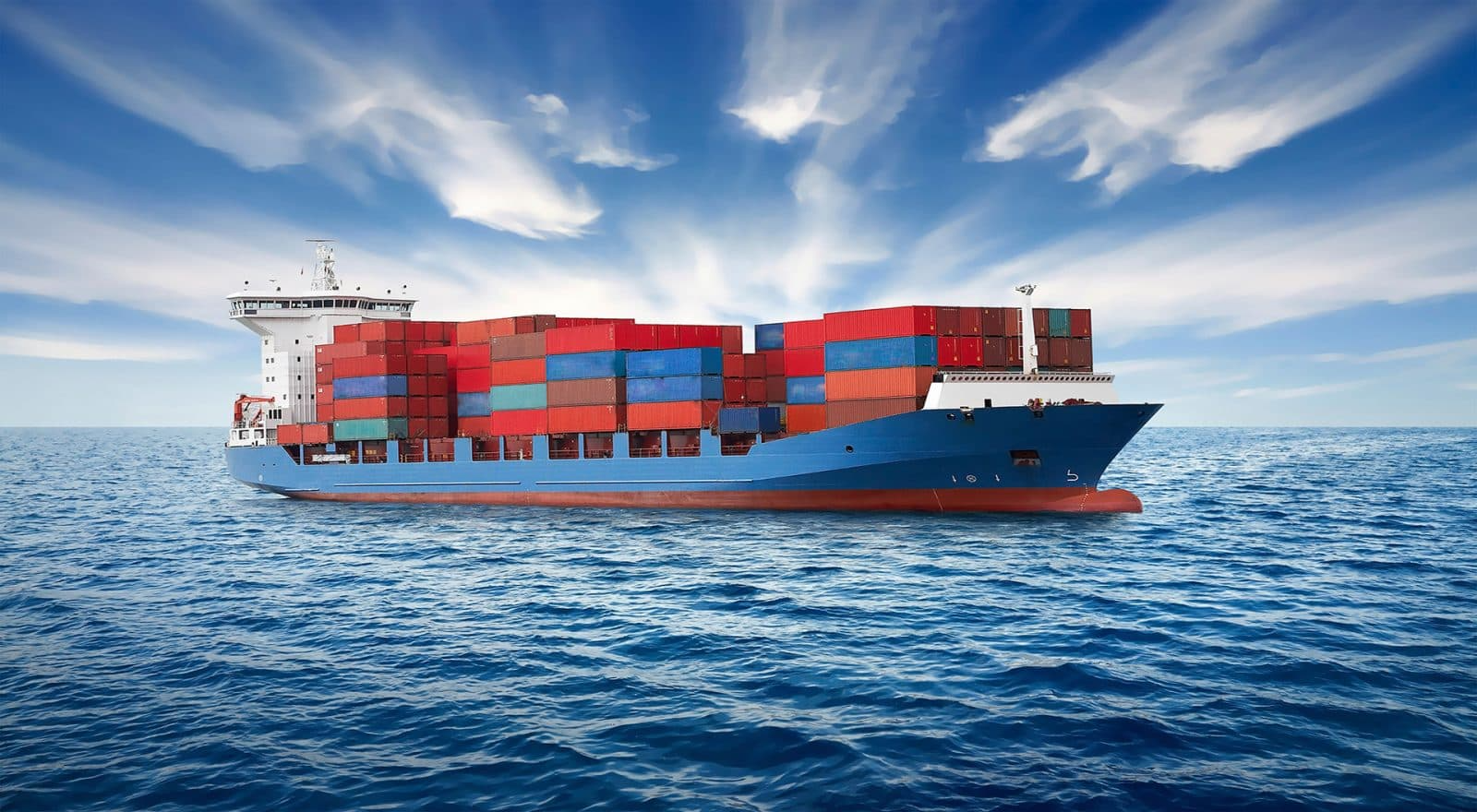
Why Sea Freight Continues to Dominate Global Trade?
In today’s world, despite the rapid growth of technology and the expansion of air and land transport, maritime transport remains the most preferred mode of global trade. According to the World Trade Organization (WTO), approximately 80 to 90 percent of international trade volume is carried by sea. This clearly demonstrates that the oceans remain the vital arteries of the global economy. This article aims to closely examine the reasons behind this dominance, present real-world statistics, and explore the future of the maritime transport industry to understand why the sea continues to reign supreme in global commerce.
1. Low Costs: Maritime Transport’s Competitive Advantage
According to data from UNCTAD (United Nations Conference on Trade and Development), the cost of transporting one ton of goods by ship ranges from $0.5 to $1 per 1,000 kilometers, while air transport for the same distance costs around $4 to $5.
Simply put, ships are up to 10 times more cost-effective than airplanes.
This cost savings allows large companies to save billions of dollars annually in massive trades, such as transporting crude oil, steel, grains, and automobiles.
For example, oil companies like Shell and ExxonMobil transport over 7 million barrels of crude oil daily via marine tankers — something that is impossible with any other mode of transport.
2. Massive Ship Capacity: Unmatched Power on a Global Scale
کشتیهای کانتینری مدرن مانند Ever Ace (متعلق به شرکت Evergreen) توانایی حمل ۲۳٬۹۹۲ کانتینر استاندارد (TEU) را دارند.
در مقایسه، بزرگترین هواپیمای باری جهان (Antonov An-225) تنها میتواند ۲۵۰ تُن بار حمل کند — یعنی معادل تنها چند کانتینر.
بر پایهی گزارش سال ۲۰۲۴ UNCTAD Maritime Transport Review، حجم کل کالاهای حملشده از طریق دریا به ۱۲.۲ میلیارد تُن رسید، که رشد ۲.۴ درصدی نسبت به سال قبل را نشان میدهد.
📊 These figures illustrate why, during periods of rising demand, the maritime transport industry can meet global market needs with high scalability.
3. Global Accessibility and Port Connectivity
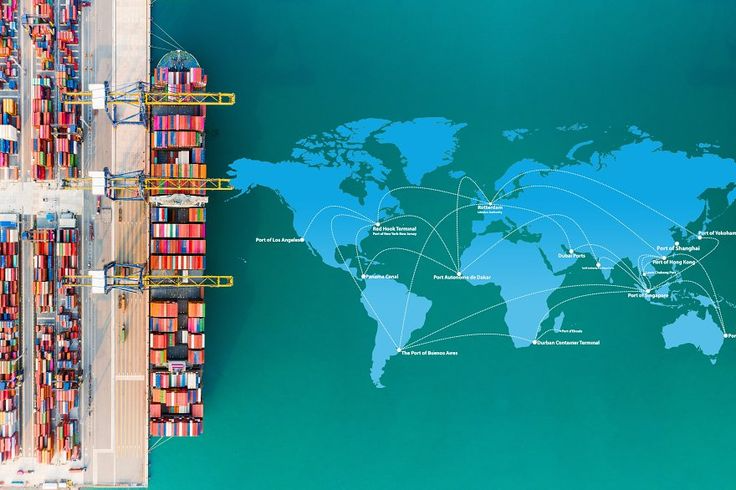
Today, over 900 international commercial ports operate worldwide, forming a network of 360 major shipping routes.
This geographic reach allows countries to connect to international markets, even from the most remote corners of the world.
برای مثال، بندر شانگهای چین بهعنوان شلوغترین بندر جهان، سالانه بیش از ۴۷ میلیون کانتینر را جابهجا میکند. در مقایسه، کل بنادر آمریکا در مجموع حدود ۵۰ میلیون کانتینر در سال جابهجا میکنند.
در ایران نیز بندر شهید رجایی در خلیج فارس حدود ۵۵٪ از حجم کل واردات و صادرات کشور را به خود اختصاص داده و در سال ۲۰۲۴ نزدیک به ۲ میلیون TEU کالا از این بندر عبور کرده است.
4. High Security and Operational Stability
According to statistics published by the International Maritime Organization (IMO), out of over 100,000 active ships worldwide, only 0.01% experience a serious accident each year.
This means the likelihood of a fatal collision at sea is about 1 in 10,000 — significantly lower than in road or air transport.
در عین حال، کشتیها از سیستمهای AIS (Automatic Identification System) و GPS پیشرفته استفاده میکنند تا موقعیت دقیق خود را لحظهبهلحظه مخابره کنند و خطرات را کاهش دهند.
5. Environmental Efficiency and a Green Path Forward
بر اساس گزارش سال ۲۰۲۳ IMO GHG Study، سهم حملونقل دریایی از کل انتشار CO₂ جهانی تنها ۲.۹٪ است، در حالی که این بخش بیش از ۸۰٪ حجم تجارت جهانی را بر عهده دارد.

بهعلاوه، تلاشهای گستردهای در جریان است تا این صنعت به سمت سوختهای سبز مانند آمونیاک و متانول دریایی حرکت کند. شرکت Maersk در سال ۲۰۲۴ اولین کشتی کانتینری با سوخت متانول خنثی از نظر کربن را به بهرهبرداری رساند.
These innovations demonstrate that the future of maritime transport is not only economical but also sustainable and environmentally friendly.
6. Port Digitalization and the Artificial Intelligence Revolution
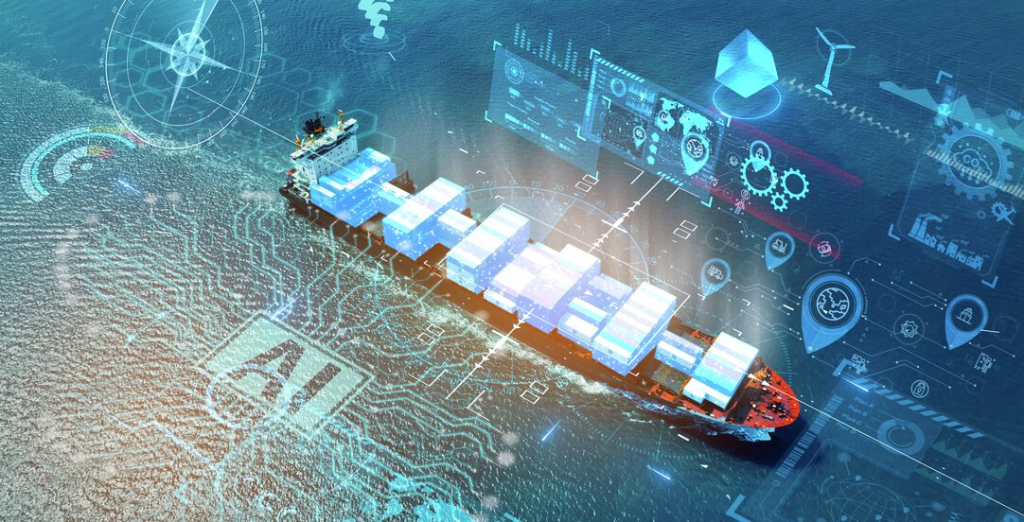
Over the past decade, smart ports have been transformed using technologies such as Artificial Intelligence (AI), the Internet of Things (IoT), and automation.
At the Port of Rotterdam in the Netherlands, the use of intelligent systems has reduced ship loading times by up to 40%.
Singapore’s port, with its automated Crane AI system, conducts up to 1,350 loading operations per hour.
طبق گزارش World Bank Logistics Performance Index 2023، کشورهایی که دیجیتالیسازی در بنادر خود را تسریع کردهاند، بهطور میانگین ۲۰٪ سریعتر از رقبا کالا ترخیص میکنند.
7. Resilience in Crises and Global Flexibility
During the COVID-19 pandemic, when over 60% of international flights were canceled and many land borders were closed, ships continued to operate uninterrupted.
طبق گزارش OECD 2022، در سال ۲۰۲۰ تنها ۳٪ از جریانهای کشتیرانی جهانی متوقف شد، در حالی که ۵۵٪ مسیرهای هوایی دچار وقفه شدند.
This resilience has made maritime transport the beating heart of the global supply chain.
8. The Maritime Industry’s Contribution to Global Employment and Economy
بر پایهی آمار International Chamber of Shipping (ICS)، بیش از ۱.۶ میلیون نفر بهطور مستقیم در بخش دریایی جهان کار میکنند.
Additionally, around 50 million indirect jobs are generated through related industries such as logistics, insurance, ship repair, and construction.
In Iran, the maritime industry (particularly in the southern ports) has created over 35,000 direct jobs and has significantly contributed to the growth of the country’s non-oil exports.
A review of the data and reports clearly shows that maritime transport is not only the most cost-effective but also the most reliable and widespread mode of global trade.
From the high capacity of ships to fuel savings and port digitalization, the industry is on a path to sustainable and intelligent growth.
Although challenges such as fuel price volatility and environmental regulations lie ahead, technological advancements and investment in clean fuels indicate that the future of global transport will remain firmly rooted in the seas.
If you are looking to collaborate with a reliable and expert partner in the maritime transport and shipping sector, Arad Sahel Arvand Shipping Agency is ready to elevate your business with years of experience, an extensive international network, and comprehensive services in container, bulk, oil, and customs clearance shipping.
Representing renowned global shipping lines and with an active presence in southern Iran's ports, we help you navigate your maritime routes with the lowest cost, highest speed, and utmost security.


 Persian
  English
No Comments