
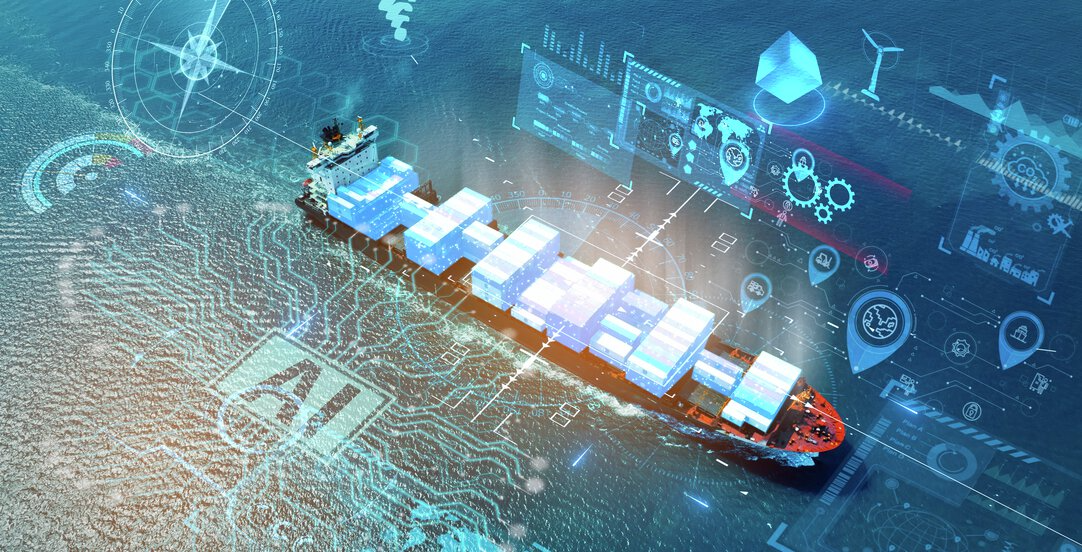
The shipping industry can no longer be seen as the same sector that once relied solely on a captain’s experience, wind direction, and paper maps. In today’s world, digital transformation is no longer a marketing slogan; it is a necessity—one that, if ignored, can easily push companies out of the global competition. With technologies such as Internet of Things (IoT), Artificial Intelligence (AI), and Blockchain, ships are no longer just giant metal structures floating on water—they have become complex, connected, and intelligent systems. In fact, “digital transformation in shipping” is the perfect phrase to describe a revolution at the heart of maritime transport operations—a revolution that not only reduces costs but also enhances safety, accuracy, and the efficiency of the global fleet.
What is exactly happening?
When we talk about “digital transformation,” we don’t just mean installing a few sensors or adopting new software. Digital transformation means that technology is woven into the very fabric of processes — from real-time decision-making to complex forecasting. In the shipping sector, this translates into the digitization of vessel information, automation of port operations, and continuous real-time data analysis. The ultimate goal is simple: to have a fleet that can understand, learn, and even correct itself — the so-called “smart fleet.” And when we hear that term, the word “ship” starts to take on a new meaning — no longer just a metal body on the sea, but an intelligent, responsive system.
Imagine a ship in the middle of the ocean. Its engine begins to experience extremely slight vibrations — so subtle that the captain might never notice them. Over time, these vibrations could turn into a serious problem if ignored. Now, sensors installed on the engine detect those exact vibrations, transmit the data online, an AI system analyzes them, and notifies the captain or the control center: “This engine needs maintenance within the next 2 hours.” This means prediction. It means avoiding unexpected downtime. It means reducing massive costs. And this is just one simple example.
IoT: The Digital Eyes and Ears of Ships
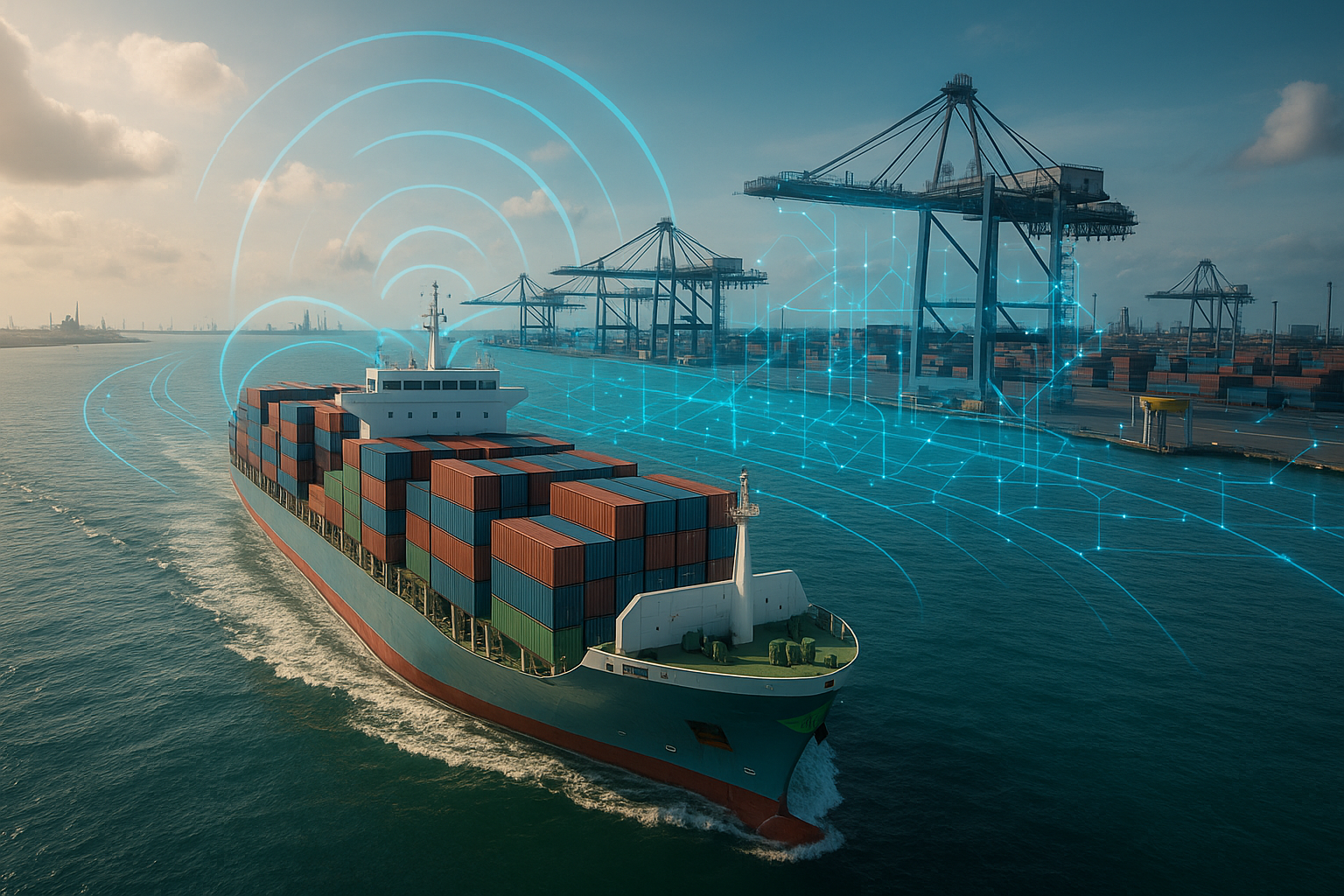
When we talk about the Internet of Things, we mean the connection between sensors that monitor everything — from the engine and fuel levels to cargo conditions and weather — moment by moment. It’s as if the ship has turned into a living organism that constantly checks itself, understands what’s happening, and reports it. Here are some of the most important applications, explained in more detail:
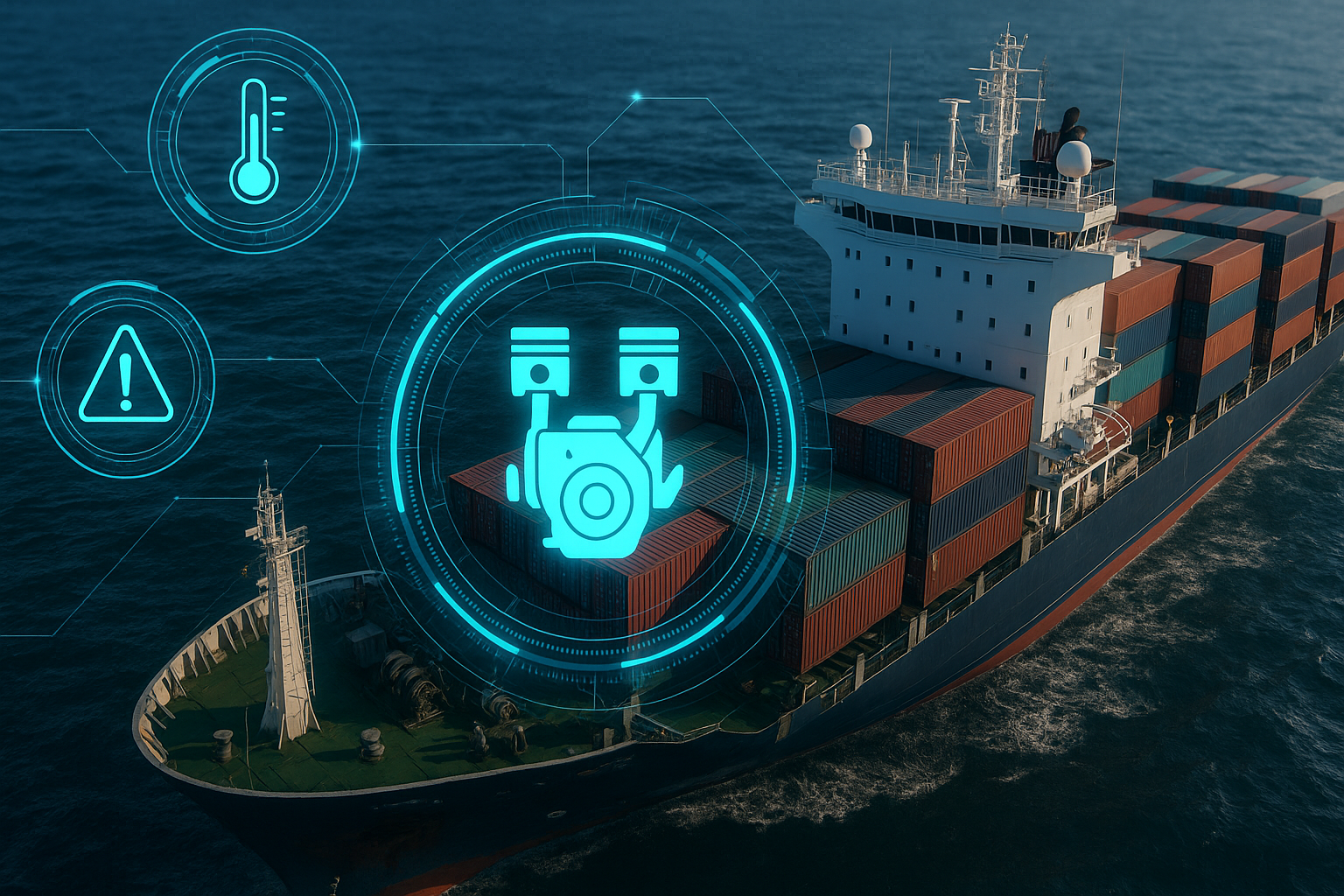
Here are a few key applications:
- Technical Condition Monitoring: Ship engines no longer wait to break down; sensors record small impacts, temperature changes, and unusual vibrations. For example, if fuel is not being pumped correctly or external temperature affects performance, the system issues an alert. This is not just preventive maintenance — it is prediction and prevention, meaning greater safety for both the crew and the cargo.
- Cargo Tracking: In the past, a shipment could get lost between ports or experience unexpected delays. Now, with sensors and GPS devices installed on containers, it’s possible to monitor their location every moment, determine more efficient routes, and even plan unloading and customs clearance in advance before the cargo arrives. This means greater confidence for the cargo owner and higher efficiency for the operator.
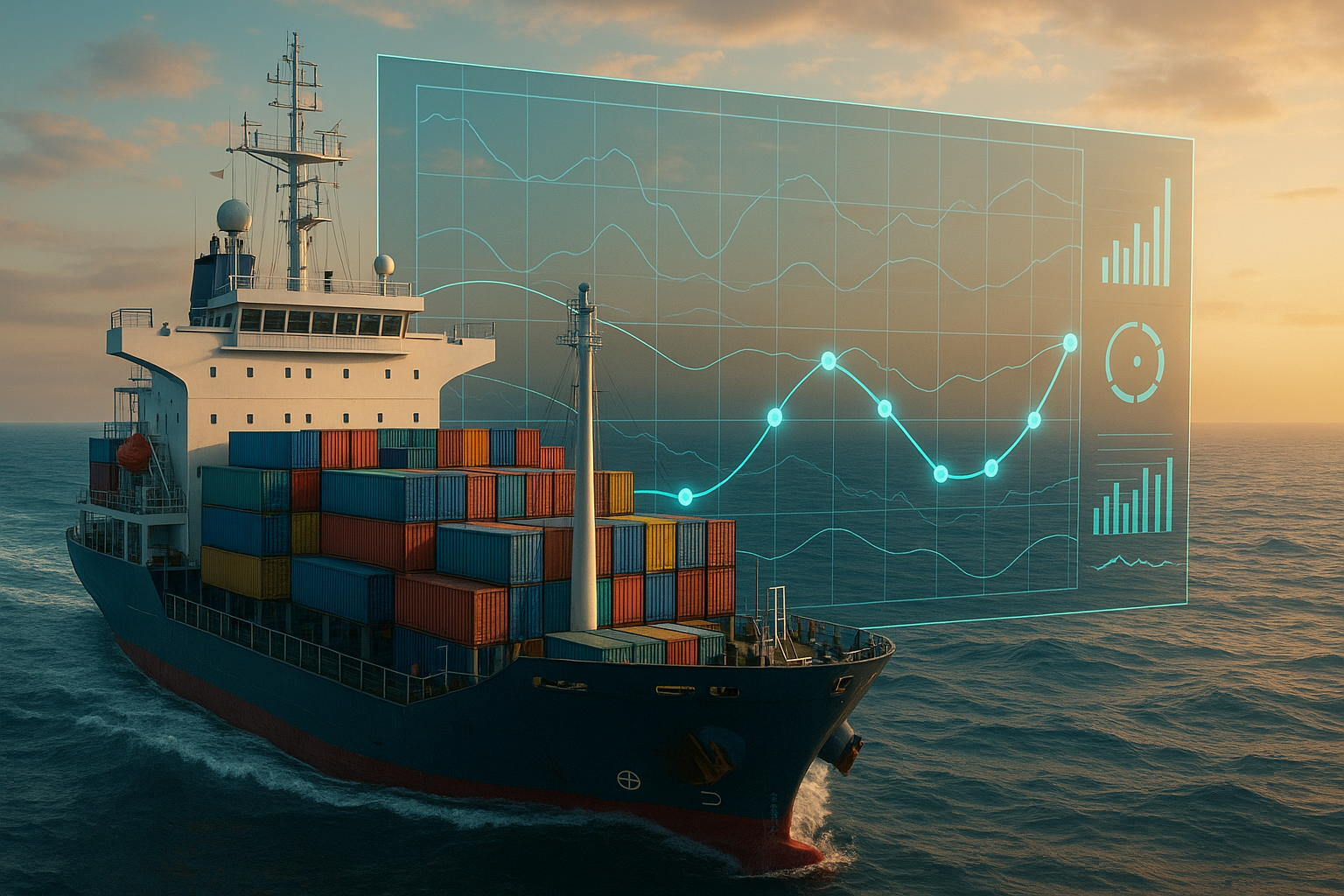
- Route Optimization: Data-driven systems analyze multiple factors such as ocean currents, weather conditions, speed, fuel consumption, engine status, and vessel position. They then suggest routes that are both safer and more economical. These routes may sometimes be slightly longer, but they reduce overall operational costs.
- Reducing Fuel Consumption and Carbon Emissions: By closely monitoring fuel usage, historical data, and current operating conditions, adjustments can be made to reduce fuel consumption. This not only lowers costs but also decreases environmental impact. In a world where pressure to reduce carbon emissions is increasing day by day, this factor holds significant importance.
The result? Reduced operational costs, increased equipment lifespan, improved scheduling, and even enhanced safety levels. This means ships are no longer just tools for transporting cargo — they are now integral components of the intelligent global transportation system.
Artificial Intelligence: The Brain That Thinks, Predicts, and Decides
If IoT serves as the eyes and ears of the fleet, artificial intelligence is its brain. This technology analyzes the massive amounts of data coming from sensors, satellites, port systems, and other sources, and turns them into optimal decisions. In short: AI in shipping acts as the decision-making brain.
Notable applications:
- Predicting Weather Conditions and Safer Routes: AI can forecast which route will face a storm in the coming hours or where tidal levels will rise. This allows the vessel to change course before encountering a crisis.
- Anomaly Detection in System Performance (Predictive Maintenance): The crew no longer waits for strange noises or system shutdowns; AI detects failures gradually and warns them before anything actually happens.
- Automating Navigation and Berthing Operations: Ships can choose their routes, berth, and even react to marine traffic with minimal human intervention. This capability is achieved through the combination of AIS data, satellite positioning, environmental conditions, and AI algorithms.
- Improving Fuel Consumption with Machine Learning Algorithms: The algorithms learn which speed, route, and settings are most efficient under specific conditions (such as vessel speed, cargo weight, ocean currents, and wind). With this approach, fuel consumption decreases and overall efficiency increases.
With this technology, ships can make decisions without direct human intervention, adjust speed, revise their routes, and even respond to emergencies. This doesn’t necessarily mean removing humans — it means elevating their role from operators to intelligent supervisors and strategic decision-makers.
Blockchain: A Transparent, Unalterable, Fraud-Resistant Ledger
In a market where trust is the top priority, blockchain technology has emerged to make maritime documents, transactions, and exchanges transparent, fast, and tamper-proof. No paperwork, no delays, no forgery — only trustworthy data. When the supply chain, transport documents, insurance records, ownership data, and clearance processes operate on a blockchain platform, everyone knows the information is immutable and all transactions are traceable.
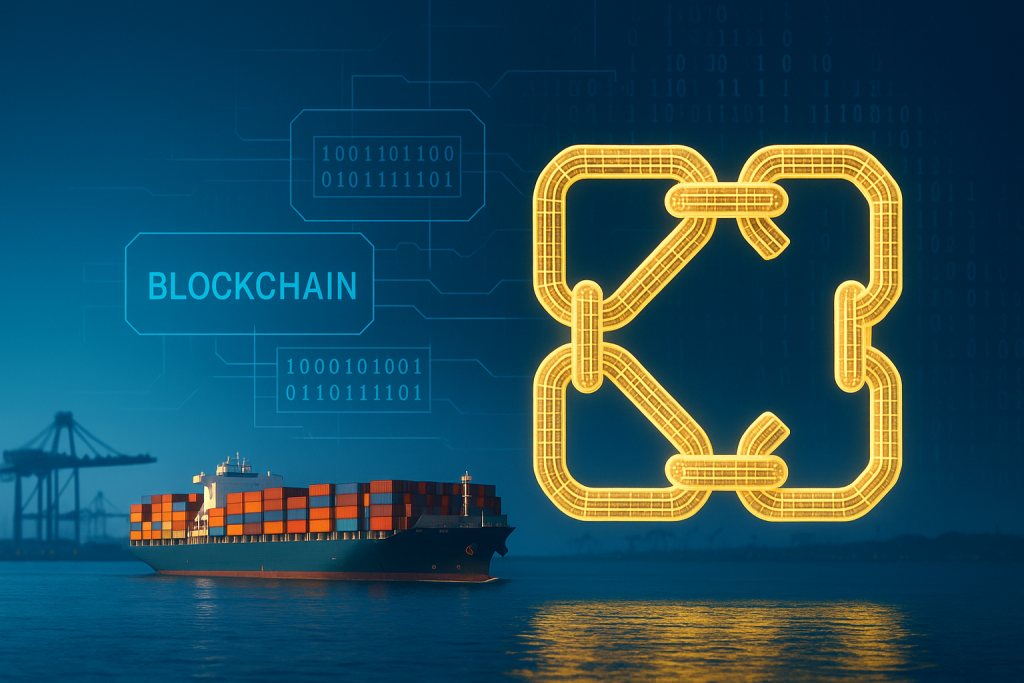
Why is blockchain important?
- Transparency in the Exchange of Shipping and Insurance Documents: When every transaction is recorded in a distributed ledger, all stakeholders can view it, cannot alter it, and can refer back to its history whenever needed.
- Reducing Fraud and Forgery of Maritime Documents: Document forgery is one of the major challenges in the industry; blockchain significantly reduces this risk.
- Faster Cargo Clearance in Ports: Processes that once took a long time — such as verifying ownership, insurance, or transport documents — can now be completed much faster through digital and blockchain-based systems.
- Reducing Intermediaries and Transaction Costs: When all information is digital, intermediaries have far less influence in the process, costs decrease, and procedures become simpler and more efficient.
With this approach, the global supply chain operates faster, cheaper, and more securely. This means that from origin to destination, and from the carrier to the cargo owner, everyone engages with greater trust and reduced risk.
When Technologies Join Forces: Creating an Intelligent Maritime Ecosystem
The exciting part is that these technologies only reveal their true power when they work together. If IoT generates the data, AI analyzes it, and blockchain secures it, what is the result? A fully integrated ecosystem in the maritime industry — one that not only improves operations but transforms the entire structure of the industry.
The key outcomes of this convergence:
- Reduction of average fuel consumption by up to 20% (a fact reported in industry analyses).
- Increase in fleet efficiency by up to 30% — meaning ships spend more time operating and less time waiting or idle.
- Reduction of port clearance time by 40% in digital ports, because processes are completed faster and without paperwork.
- Enhancement of safety and a reduction in incidents caused by human error, since many decisions are now data-driven and based on predictive analysis.
These developments show that the future of the maritime industry lies not in bigger ships, but in smarter ships. Vessels that operate as part of an interconnected technological chain — moving not only physically from point A to point B, but also functioning actively in terms of data, environmental awareness, and commercial intelligence.
When Everything Isn’t Always Perfect: The Challenges and Barriers of Digital Transformation in Shipping
Despite all these advancements, the path toward full digitalization is not without obstacles. Achieving this long-term vision requires overcoming several challenges — and if these challenges are ignored, the transformation may remain incomplete.
Some of the most important obstacles include::
- High Implementation Costs: Installing sensors, building data infrastructure, maintaining satellite communication systems, and training personnel all require significant investment. Smaller companies or those operating in lower-income regions may not have the financial capacity to support such upgrades.
- Lack of Skilled Workforce in Data Analysis and IT: Technology may lead the way, but without trained people to operate it, its benefits remain incomplete. The maritime industry still faces shortages of data engineers, AI analysts, and cybersecurity specialists.
- Cybersecurity Concerns Against Digital Attacks: The smarter the systems become, the more attractive they become as targets. A ship equipped with digital systems can also become a target for hackers. This means a greater need for data security, resilient systems, and reliable emergency backup plans.
- Lack of Unified International Standards: The shipping industry is global, but technologies and standards are not always aligned across countries. When a vessel moves from the waters of one country to another, it may encounter incompatible infrastructure. This misalignment can reduce efficiency or increase operational risks.
To overcome these challenges, shipping companies need to invest in workforce training, infrastructure modernization, and collaborations with technology providers. For example, partnerships between maritime companies, universities, and startups can accelerate the development of innovative solutions. Collaborations with telecommunications and satellite companies can also help ensure stable offshore connectivity.
A Not-So-Distant Future: Self-Navigating Ships, Fully Digital Ports, and Green Transportation
If we look five or ten years into the future, several scenarios appear almost certain. Cloud technologies, artificial intelligence, advanced maritime communications, and renewable energy sources are shaping the path forward — and the shipping industry is standing at the forefront of these transformations.
- Autonomous or semi-autonomous ships: When we talk about a ship without a captain, it may sound a bit like science fiction—but the truth is that with advancements in technology, remote control, real-time data analysis, and intelligent systems, this is becoming achievable. These ships move along predefined routes without direct human intervention, detect challenges on their own, adjust their speed and course, and make decisions in emergency situations.
- Fully digital ports: Ports that rely entirely on modern technology — digital documentation, robotic loading systems, uninterrupted communication with vessels, intelligent unloading and loading schedules, real-time cargo monitoring, and a far faster operational cycle. When a ship arrives, everything is already prepared — no waiting, no delays.
- Advanced predictive systems: Data and models are so interconnected that they detect a problem before it even appears and respond proactively. Corrosion detection, analyzing cargo type and its impact on the route, forecasting fuel prices, assessing the effects of environmental regulations — all of these are becoming part of day-to-day decision-making.
- Renewable energy sources and intelligent data analytics: The ships of the future will not rely solely on fossil fuels; they will operate using a combination of clean energy sources (such as wind, solar, and hydrogen). Real-time data allows operators to determine which fuel mix produces the lowest emissions under specific conditions and which method maximizes propulsion efficiency. This means that green shipping is becoming a reality at a much faster pace.
These scenarios are so close to reality that many major shipping companies and ports have already begun investing in them. One important point is that technology is not just for “show” — it is essential for survival and competitiveness. Companies that refuse to adopt these changes today may be forced to step back tomorrow, or even be pushed out of the market entirely.
Final Conclusion: Move Smart — or Fall Behind?
Digital transformation in shipping has not only made transport operations smarter and more efficient, but it has also enhanced safety, transparency, and environmental sustainability. This transformation clearly shows that the future of the maritime industry depends on technology, and the companies investing in digitalization today will be the market leaders of tomorrow.
ChatGPT said: If you are active in the field of maritime transportation, now is the time to take action — go digital today to stay at the top of the competition tomorrow. The journey may be long, and there may be challenges and costs along the way, but in the turbulent sea of global trade, the ships that embrace technology will survive — and those that do not may sink quickly, not in water, but in competition.
FAQs
The use of modern technologies such as the Internet of Things, artificial intelligence, and blockchain to improve efficiency, reduce costs, and increase the safety of maritime operations — meaning that ships, cargo, routes, and ports all become intelligent components..
Real-time monitoring of equipment, predicting failures, route optimization, intelligent fuel management, and even extending the operational lifespan of vessels. With this technology, a ship functions like a living system that understands itself.
AI enables automated decision-making by analyzing data; it plays a key role in reducing fuel consumption, detecting failures, managing routes, and assisting in berthing operations. Humans are no longer just operators — they become supervisors and strategic decision-makers..
This technology records transactions in an immutable way, prevents document forgery, speeds up processes, and reduces intermediaries. When data is trustworthy, international collaboration becomes far more efficient.
The future of this industry is built on autonomous ships, smart ports, real-time data analytics, advanced communications, and clean energy. It’s no longer just about speed or capacity — it’s about intelligence, sustainability, and global connectivity.


 Persian
  English
No Comments